Best Time to Visit Hue: Month-by-Month Guide (2026)
Vietnam’s former imperial capital is one of those rare destinations where when you go matters almost as much as whether you go. Catch Hue in February and you’ll wander UNESCO-listed royal tombs under soft sunshine; arrive in October and you might be sheltering from a typhoon. Working out the best time to visit Hue is the difference between a trip you’ll talk about for years and one spent watching rain trickle down a hotel window.
This guide breaks down Hue’s weather, festivals, crowds and prices month by month, so you can match your trip to whatever matters most: sunshine, savings, cultural events, or having the Citadel almost to yourself.
When Is the Best Time to Visit Hue? The Short Answer
The best time to visit Hue is from February to April, when the dry season meets mild temperatures of 20–28°C, humidity is manageable, and the rain has largely cleared. These months are perfect for long days exploring the Imperial Citadel, cycling along the Perfume River, and visiting the Nguyen Dynasty tombs without melting under the summer heat or getting drenched by autumn storms.
If you’re flexible, here’s the quick verdict:
- Best overall: February–April (dry, mild, festival season)
- Best for fewer crowds: Late November & early December
- Best for budget: September & early October (with caveats – see below)
- Best for beach add-ons: May, June & early July
- Avoid: Mid-October to mid-November (peak rain and typhoon risk)
Understanding Hue’s Climate
Hue sits in central Vietnam on the banks of the Perfume River, tucked between the East Sea and the Truong Son mountains. That position gives it a climate that doesn’t quite match the rest of the country, which is why advice for Hanoi or Ho Chi Minh City doesn’t always apply here.
The city has two clear seasons rather than four:
- Dry season (February–August): Sunshine dominates, with temperatures climbing from a pleasant 22°C in February to a sweltering 35°C+ by midsummer. Rainfall is minimal, especially through March and April.
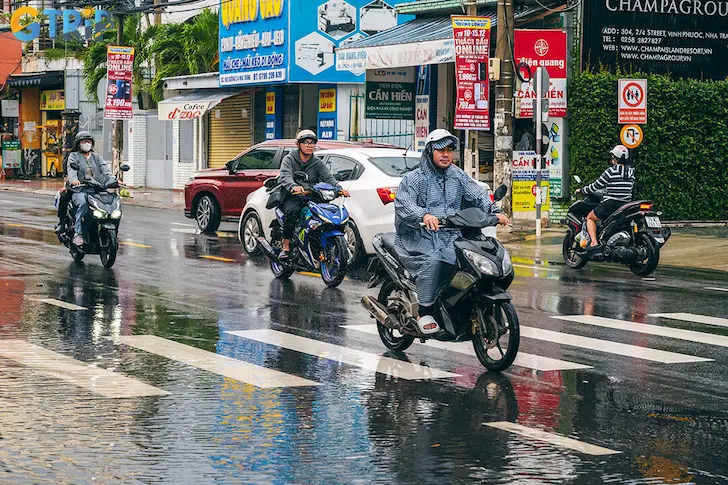
- Wet season (September–January): The northeast monsoon dumps the bulk of Hue’s annual rainfall here. October and November see the heaviest downpours and occasional typhoons, while December and January taper into a famous, fine drizzle the Vietnamese have a specific word for.
One quirk worth noting: Hue is often a few degrees cooler than Hoi An, just 100km south. The Hai Van mountain pass acts as a weather divider, so it can be drizzling in Hue and brilliantly sunny on the Da Nang side of the tunnel. If you’re combining the two cities, which you should, pack for both.
Hue Month-by-Month: At a Glance
Here’s how each month stacks up across the factors that actually matter to travelers:
| Month | Weather | Crowds | Prices | Best For |
| January | Cool, light drizzle (18–22°C) | Low | Low | Quiet sightseeing, moody photography |
| February | Mild & dry (20–24°C) | Medium-High | Medium | Tet festivities, perfect weather |
| March | Warm & sunny (22–26°C) | High | High | Peak season, royal tombs |
| April | Warm & dry (24–28°C) | High | High | Hue Festival years, sightseeing |
| May | Hot (28–33°C) | Medium | Medium | Beach trips, fewer Westerners |
| June | Very hot (30–35°C) | Medium-High | Medium | Hue Arts Week, biennial festival |
| July | Hot & humid (30–36°C) | High (domestic) | Medium-High | Budget seekers tolerant of heat |
| August | Hot, first storms (29–34°C) | Medium | Medium | Last of the sunshine, last-minute deals |
| September | Warm, rain returns (26–31°C) | Low | Low | Bargain hunters, fewer tourists |
| October | Heavy rain, typhoon risk (24–29°C) | Very Low | Lowest | Skip unless on a budget circuit |
| November | Wet, cooler (22–27°C) | Low | Low | Lush scenery, value stays |
| December | Cool, drizzly (19–24°C) | Low-Medium | Low-Medium | Atmospheric exploring, year-end trips |
The Best Month to Visit Hue: Detailed Breakdown
January: Cool, Quiet and Atmospheric
January marks the tail end of Hue’s wet season. Expect cool temperatures averaging 18–22°C, with light drizzle most days rather than heavy downpours. It’s genuinely chilly by Vietnamese standards so pack a light jacket for evenings.
Crowds are thin, hotel prices are gentle, and the moody weather actually flatters Hue’s aesthetic. The Citadel walls look stunning in low cloud, and the royal tombs feel like they belong in a Wong Kar-wai film. If you don’t mind sacrificing some sun for atmosphere and elbow room, January is underrated.
This is also a great month for slow, indoor-friendly experiences like sampling Hue’s legendary royal cuisine, learning to make local dishes in a cooking class, or settling into a long, leisurely afternoon at a traditional teahouse.
February: The Sweet Spot Begins
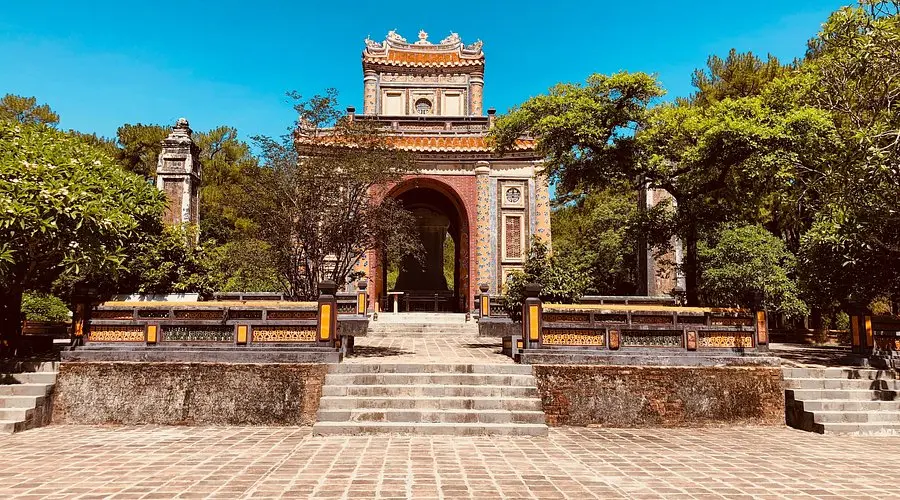
By mid-February, Hue properly transitions into its dry season. Temperatures sit between 20°C and 24°C, the rain largely clears, and the city wakes up. This is the start of the prime travel window.
February is also when Tet (Vietnamese Lunar New Year) falls, in 2026 the main holiday lands on February 17. Hue celebrates Tet with serious ceremony: the revived royal Ban Soc and pole-erecting rituals at the Imperial Citadel are remarkable to witness, and the city is decked in apricot blossoms, red lanterns and incense smoke. Just book accommodation early, because domestic tourism spikes around the holiday and many family-run businesses close for the first few days.
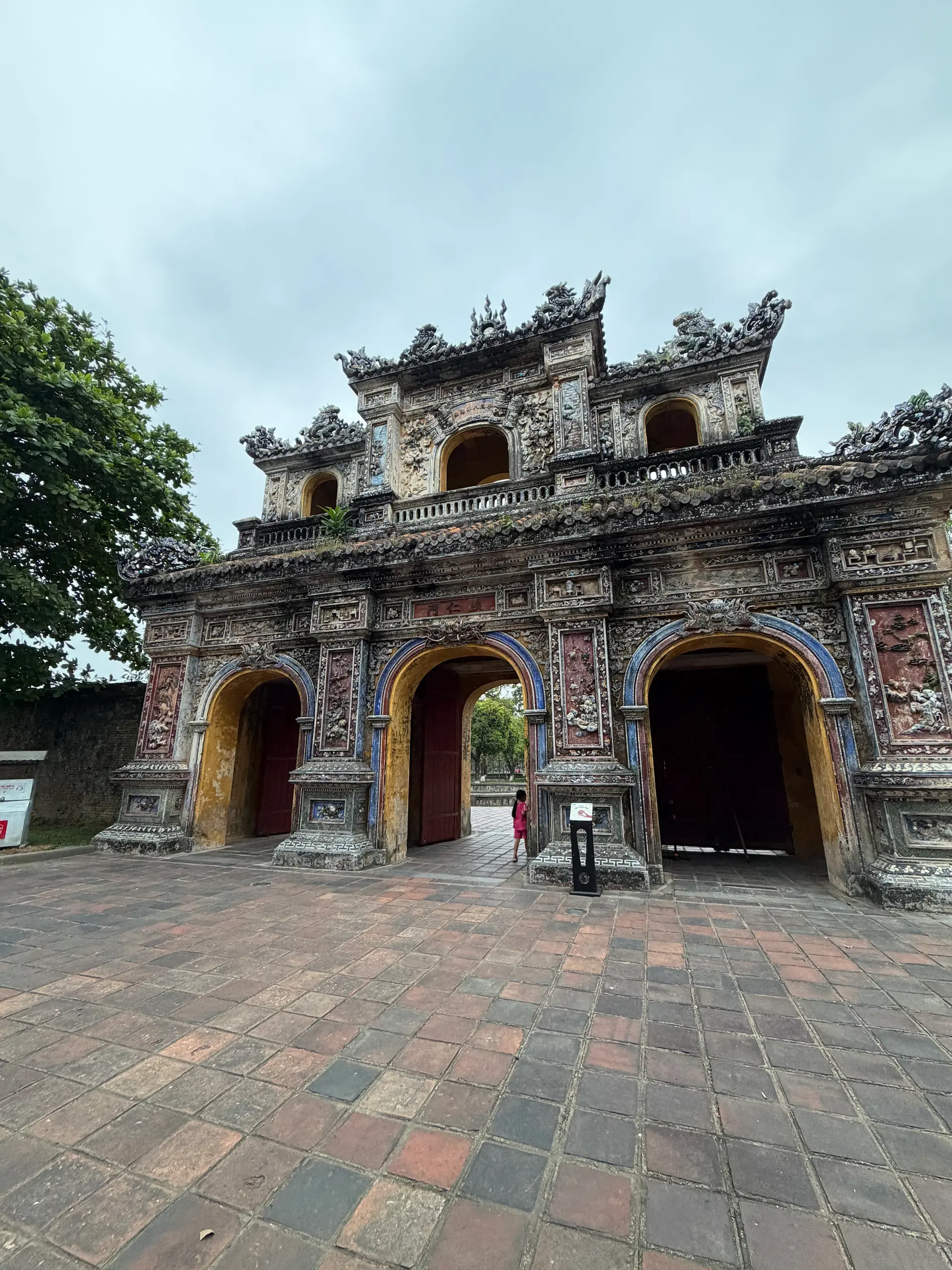
If you want to experience the ancient capital at its most ceremonial, this is the moment. A guided walking tour of the Imperial Citadel is the easiest way to make sense of the layers of history on display.
March: Arguably the Best Month Overall
March is the month most seasoned travelers will recommend. Daytime highs of 22–26°C, very little rain, low humidity, and clear blue skies, basically peak conditions for sightseeing. The countryside is green from the recent wet season but no longer waterlogged.
Crowds pick up significantly, particularly with European travelers, and prices rise to match. Book accommodation and any guided tours at least four to six weeks ahead.
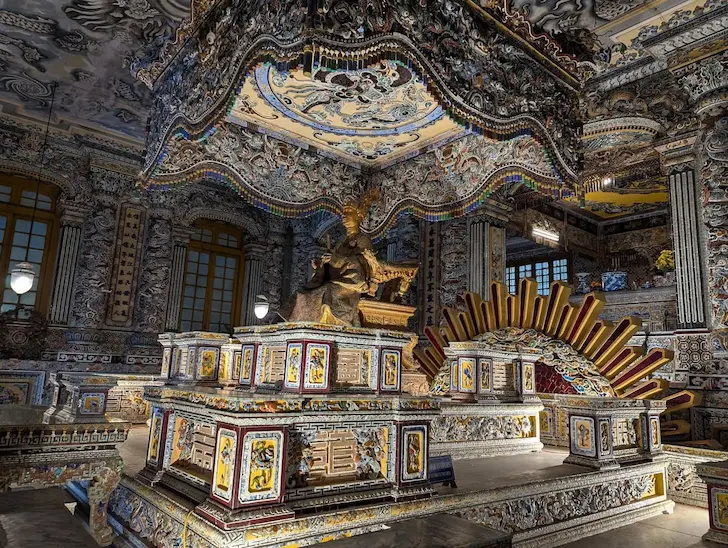
March is the ideal month for the all-day royal tombs circui – Tu Duc, Khai Dinh and Minh Mang each deserve unhurried time, and the cooler mornings make cycling between them genuinely pleasant. A full-day Perfume River boat tour combining several tombs and Thien Mu Pagoda is one of the most efficient ways to see the city’s headline attractions.
April: Hot, Bright and Festival-Heavy
April keeps the dry weather running, but temperatures push into 24–28°C territory and humidity ticks up. Mornings and late afternoons remain comfortable; the middle of the day can feel intense if you’re walking the open courtyards of the Citadel.
In Hue Festival years (the biennial event runs March 25–April 7 in 2026), April is when the city goes into overdrive think kite-flying displays, fireworks over the Perfume River, traditional music and street parades. It’s a brilliant time to visit, but expect everything to be booked solid. Plan accordingly.
May: Heat Arrives, Beach Trips Begin
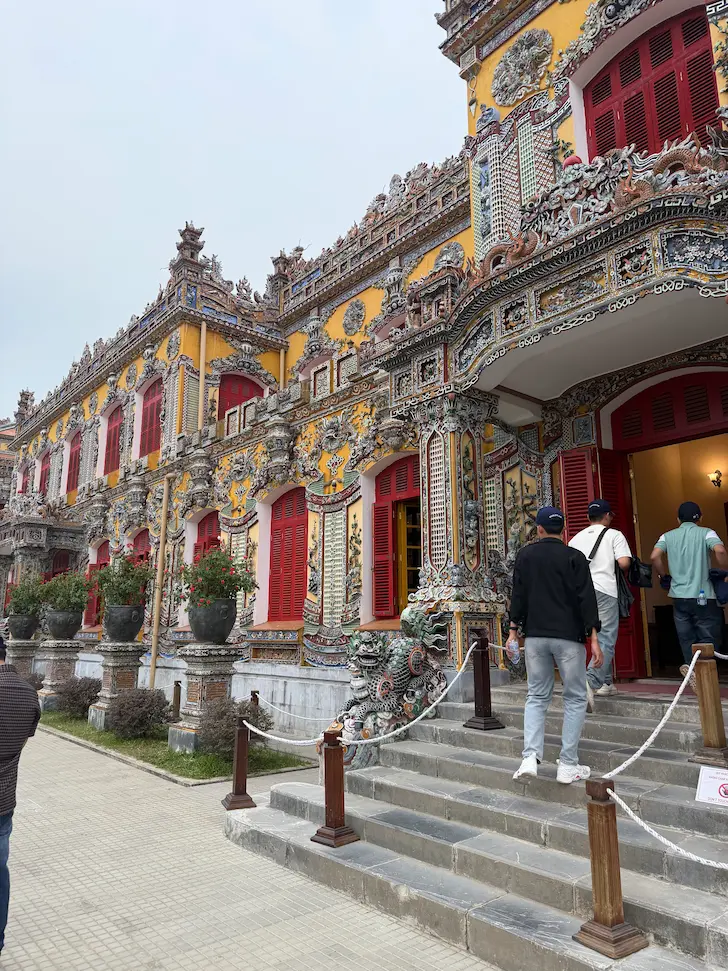
May is the unofficial start of Hue’s hot season. Daytime temperatures climb to 28–33°C, with strong sunshine and only occasional showers. International tourist numbers drop noticeably, but Vietnamese domestic travelers start to appear.
This is when Hue’s coastal side becomes a real asset. Thuan An and Lang Co beaches are 30–60 minutes from the city center and offer a proper break from temple fatigue. Take a break and combine Hue’s heritage with a beach day at nearby Lang Co.
June: Intense Sun, International Arts Week
June is hot! 30–35°C is the norm, and humidity is firmly back. It’s not the most comfortable month for all-day sightseeing, but early-morning starts and shaded riverside afternoons make it workable.
June 2026 also hosts the International Hue Arts Festival Week (June 13–18), the peak event of the year-long festival calendar. The Imperial Citadel becomes a stage for performances from troupes around the world, and the Hue Light Festival illuminates heritage sites along the Perfume River. If you can handle the heat, the cultural payoff is huge.
July: Peak Heat and Domestic Crowds
July is the hottest period in Hue. Temperatures regularly hit 35°C and can spike to 38–40°C, especially when the Lao winds blow in from the west. International visitor numbers stay low, but Vietnamese family travelers descend in large numbers as schools break up. Expect higher prices than you’d hope for at non-luxury hotels and busy beaches.
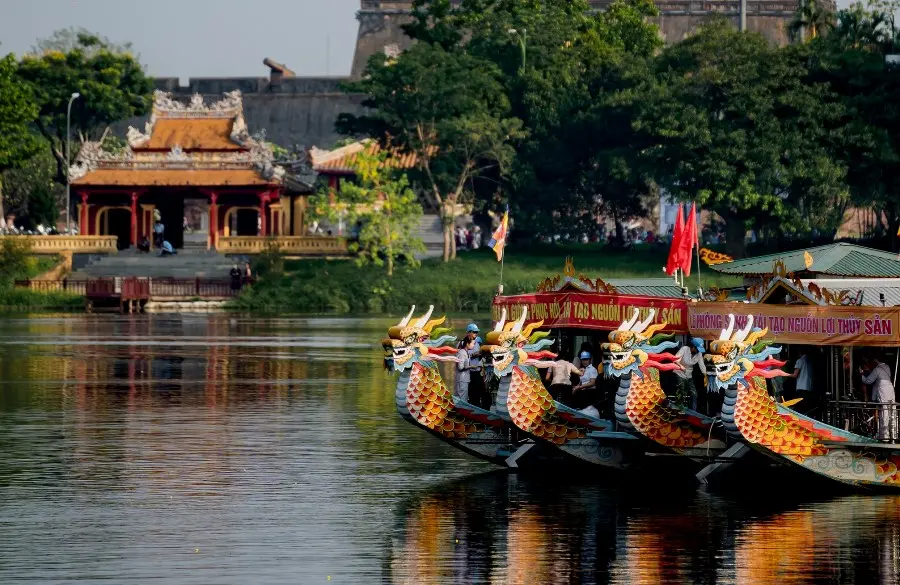
Honestly, July isn’t the best month to visit Hue unless heat doesn’t bother you. If you must go, prioritize early-morning sightseeing, midday breaks, and water-based activities. A dragon-boat dinner cruise on the Perfume River is a lovely way to spend a hot evening on the breeze.
August: Heat Eases, First Storms Hint
August feels marginally more bearable than July, with temperatures of 29–34°C and the occasional cooling thunderstorm. By the end of the month, the first signs of the wet season often appear, brace yourselves for a few wetter days and slightly heavier skies.
This is a transitional sweet spot for some travelers: still mostly dry, domestic tourist numbers easing as Vietnamese school holidays end, and accommodation rates softening. If you’re flying looking for late-summer value, the last two weeks of August are worth a serious look.
September: Quiet, Cheap, Increasingly Wet
September is when Hue empties out. International tourism is low, prices drop, and the city feels properly local again. Temperatures ease to 26–31°C, but rainfall starts climbing so expect short, intense afternoon storms most days.
It’s a strong choice for budget travelers and photographers who don’t mind weather risk. The light after rain is dramatic, the rice paddies around the city turn vivid green, and you’ll have major sites largely to yourself. Just travel with a flexible itinerary and good rain gear.
October: The Worst Month to Visit Hue
Sorry, October. You’re Hue’s wettest, stormiest month. Rainfall peaks, the chance of a typhoon hitting central Vietnam is real, and flights or road transfers can be disrupted. Daytime temperatures are still warm at 24–29°C, but you’ll see plenty of grey skies.
That said, October isn’t a write-off. Prices are at their lowest, tourist density is the lowest of the year, and there’s a melancholic beauty to Hue in the rain that locals genuinely cherish. If you’re on a tight budget and willing to gamble on weather, you could land a brilliant trip… just buy travel insurance and keep your itinerary flexible.
November: Recovery Begins, Value Peaks
November sits in interesting middle ground. The first half of the month is still pretty wet, but the second half typically sees rainfall reduce and humidity start to fall. Temperatures of 22–27°C are comfortable. Crowds remain low, hotel rates can be 30–40% below peak-season levels, and the surrounding countryside is at its lushest after the monsoon.
Late November is a savvy traveler’s pick! Most of the perks of off-peak with much of the weather risk fading. Pair it with a slow day at one of the boutique riverside resorts on the outskirts for a proper restorative trip.
December: Cool, Drizzly, Quietly Atmospheric
December returns to that signature Hue mix: cool temperatures of 19–24°C, frequent light drizzle, low humidity and a moody, romantic feel. It’s genuinely sweater weather for the first time all year, and the city has a contemplative quality that suits its imperial past.
The festive season pushes some Western visitor numbers back up around Christmas and New Year, but it’s nothing like the February–April peak. December is a strong choice if you want comfortable temperatures, low prices, and don’t mind trading sun for atmosphere.
Best Time to Visit Hue by Travel Style
For First-Time Visitors
Aim for late February through March. You’ll get the city’s headline attractions in their best light allowing clear photos of the Citadel, comfortable walks through the royal tombs, and pleasant boat trips on the Perfume River. Pair Hue with three or four days in Hoi An and a night or two in Da Nang for a classic central Vietnam loop.
For Photographers
March for dry, golden-hour-friendly weather and lush green landscapes; or December–January for the famous Hue drizzle, low cloud over the Citadel walls, and almost theatrical light at the tombs. Both produce wildly different but equally striking images.
For Budget Travelers
Late August through September gives you decent weather and low prices. November is even cheaper but wetter. Skip mid-October unless you’re truly flexible with plans.
For Food Lovers
Any time, Hue’s cuisine is its strongest year-round drawcard. But February (around Tet) showcases ceremonial dishes you won’t see other times of year, and the cool months of December–January are ideal for slowly working through bowls of bun bo Hue, com hen and banh khoai without breaking a sweat. A Hue street food walking tour is one of the easiest ways to get an authoritative overview in a single evening.
For Cultural & Festival Travelers
Two windows stand out. February for Tet and the royal rituals at the Citadel, and April or June in 2026 specifically for the Hue Festival Summer events, peaking with International Arts Week (June 13–18). Both are worth planning your entire trip around.
Practical Tips for Planning Your Hue Trip
- Book early for peak season. February through April fills up four to six weeks in advance, and longer in Hue Festival years.
- Avoid the first three days of Tet. Many family-run restaurants and shops close. The big sites remain open, but the city is quieter than you’d expect.
- Build in weather buffer days. If you’re traveling in October or November, keep your itinerary flexible. A single typhoon can shut down outdoor sites for a day or two.
- Start early. Whatever month you visit, mornings are the best time of day in Hue. The Citadel opens at 7am and is far more comfortable before 10am, especially May to August.
- Pair Hue with neighbors. Two to three days in Hue plus two to three in Hoi An is the classic combination. Add a day for the Hai Van Pass and you’ve got a perfect central Vietnam loop.
- Pack for two climates. Light layers and a packable rain shell work for most months. Add proper sun protection for May–August and a warm layer for December–February evenings.
For travelers short on time, a guided two-day tour covering Hue’s royal heritage, food and surrounding scenery is the most efficient way to cover the highlights, particularly during the wetter months when you’ll want someone keeping the itinerary moving around the weather.
Frequently Asked Questions
October is consistently the wettest month in Hue, with peak rainfall and the highest typhoon risk. November is the second wettest, particularly in the first half of the month.
Two to three days is enough to cover the Imperial Citadel, three or four royal tombs, Thien Mu Pagoda, a Perfume River boat trip, and the food scene without rushing. Add an extra day if you want to include Lang Co Beach or the Hai Van Pass.
Yes, with caveats. December and January have lighter, drizzly rain that many travelers actually find atmospheric, and prices are far lower than in peak season. October and the first half of November are harder to recommend because of the typhoon risk and heavy rainfall.
March is the standout month for weather: dry, warm but not hot (22–26°C), low humidity and reliably sunny skies. February and April are similarly strong, with February slightly cooler and April slightly hotter.
Hue Festival 2026 runs as a year-long event with seasonal peaks. The biennial main festival period is March 25 to April 7, 2026, with the headline International Arts Week taking place June 13–18, 2026.
Very. June, July and August regularly see temperatures of 33–38°C, occasionally peaking near 40°C when westerly winds blow in from Laos. Plan for early-morning and late-afternoon sightseeing with proper midday breaks.
Final Thoughts: Choosing Your Window
There’s no universally “correct” answer to when you should visit Hue! There is only the right answer for the kind of trip you want. February to April delivers the most reliable weather and the deepest cultural calendar, and it’s the safe pick for first-time visitors. But Hue has a different personality in every season, and travelers willing to embrace the drizzle of December, the heat of June, or the quiet of September often come away with the more memorable stories.
Check Out my Other Hue Guides
Hue Itinerary: The Perfect Guide for your visit
Is Hue Worth Visiting: My Honest Review
Where to Stay in Hue: The Best Hotels & Areas
Best Time to Visit Hue: Month-by-Month Guide
Hue Food Guide: What to Eat in Hue
How to Get to Hue: Guide to All Transport Options
Check Out My Other Vietnam Guides
2 Week Vietnam Itinerary: The Ultimate Guide for First Time Visitors
What is the Best Halong Bay Cruise?: Options for All Budgets
The Best Esim For Vietnam: My Review of 3 ESim Providers