The Ultimate 5 Day Tokyo Itinerary for First Timers (2026)
Planning your first trip to Japan and feeling a little swamped by the size of the place? That is completely normal. This Tokyo itinerary for first timers splits five busy days into simple, walkable chunks, so you see the big sights without losing half your trip to train transfers.
I have built the plan around neighborhoods rather than a scattered list of attractions. As a result, you backtrack less and spend more time actually enjoying the city. Tokyo is enormous, and you honestly will not see all of it in one visit, so this 5 day Tokyo itinerary for first timers leans into what first-time visitors tend to love most: the famous crossings, the old temples, the food, and one big day trip out to Mt Fuji.
Follow it step by step, or treat it as a flexible Tokyo travel guide for first time visitors and swap days to suit your own pace.
Is 5 days in Tokyo enough for a first visit?
Five days is the sweet spot for a first trip. You get four full days in the city plus one day trip, which is enough to cover the icons without rushing every meal. Of course, you could spend a month here and still find new corners. However, if Tokyo is one stop on a wider Japan route, this Tokyo itinerary gives you the highlights and a feel for how the city actually works.
This plan suits couples, friends, families, and solo travelers. Most days involve a fair bit of walking, so comfortable shoes matter more than a cute outfit. After that, the trains do the heavy lifting.
Before you go: quick planning tips
A few small decisions before you fly will save you real time on the ground. So sort these first, then forget about them.
Get an IC card and stay connected
Load a Suica or Pasmo IC card as soon as you arrive, or set one up in your phone wallet before you leave home. You tap it on every train, subway, and most convenience stores, which means no fumbling for tickets at busy gates. Tokyo runs on these cards, so this is the single best first move.
You will also want data from the moment you land, since Google Maps is basically your fifth travel companion here. For that reason, it is worth sorting your connection before departure. Rent a pocket WiFi or grab a Japan eSIM so you can navigate, translate menus, and book timed tickets on the go.
Do you need a JR Pass?
For a trip that stays inside Tokyo, the nationwide JR Pass is usually not worth it. Instead, pay as you go with your IC card. The pass only pays off when you cover long bullet-train distances, for example Tokyo to Kyoto and back. Since this itinerary stays local apart from the Fuji day trip, skip it.
When to visit and where to stay
Spring (late March to April) and fall (October to November) bring the best weather and the famous cherry blossoms or autumn leaves. They are also the busiest seasons, so book early. Summer is hot and humid, while winter is cold but clear and quieter.
For a first visit, Shinjuku makes an excellent base thanks to its transport links and endless food options. Shibuya and the Tokyo Station area work well too. Whichever you choose, stay within a short walk of a major station. If you want a head start, compare well-located Tokyo hotels for first-timers before the good-value rooms sell out.
Your Tokyo itinerary for first timers at a glance
Here is the whole week in one glance. Each day groups nearby sights together, which keeps travel time low and energy high.
| Day | Area / focus | Highlights |
| Day 1 | Shinjuku (settle in) | Free city view, Shinjuku Gyoen, Omoide Yokocho, Golden Gai |
| Day 2 | Harajuku & Shibuya | Meiji Shrine, Takeshita Street, Shibuya Crossing, Shibuya Sky sunset |
| Day 3 | Asakusa & old Tokyo | Senso-ji, Nakamise, Sumida River, Tokyo Skytree, Akihabara |
| Day 4 | Tsukiji, Ginza, teamLab | Tsukiji breakfast, Ginza, teamLab Planets, Odaiba bayfront |
| Day 5 | Day trip | Mt Fuji & Lake Kawaguchiko (or Hakone, Kamakura, Nikko, Disney) |
Day 1: Shinjuku and easing into Tokyo
Day one is all about a soft landing. Jet lag is real, so this first day stays close to your base and keeps the walking gentle. Drop your bags, grab a coffee, and let Tokyo come to you.
Morning: orientation and a free city view
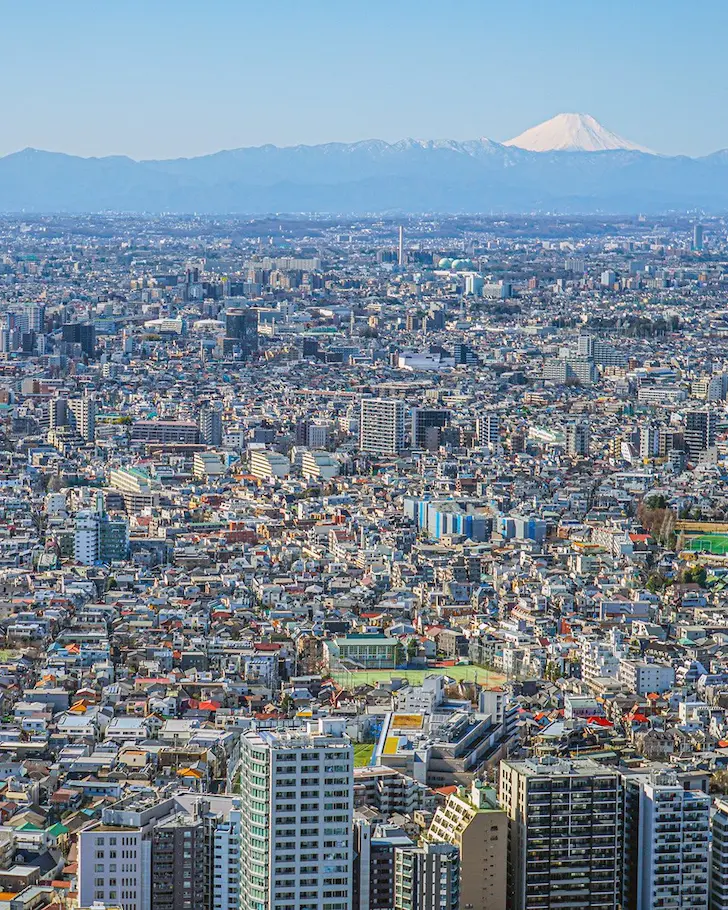
Start at the Tokyo Metropolitan Government Building, where two observation decks offer wide views over the city for free. On a clear morning you can even spot Mt Fuji in the distance. Afterward, walk over to Shinjuku Gyoen, a large garden with lawns, ponds, and seasonal flowers. It is the calmest spot in the area and a good place to shake off the flight.
Afternoon: Shinjuku streets
Spend the afternoon wandering Shinjuku itself. The area around the station mixes department stores, electronics shops, and tiny side lanes. If you have any energy left, the Samurai Restaurant puts on a loud, neon-soaked dinner show that replaced the old Robot Restaurant, and first-time visitors usually find it ridiculous in the best way.
Evening: Omoide Yokocho and Golden Gai
As the lights come on, head to Omoide Yokocho, a cluster of narrow alleys packed with smoky yakitori counters. Then, if you fancy a nightcap, the tiny bars of Golden Gai sit a short walk away. Many seat only a handful of people, so be ready to squeeze in next to strangers. It is one of the friendliest ways to end your first night.
Day 2: Harajuku, Shibuya, and the famous crossing
Today you tackle the side of Tokyo most people picture first. You will move from a quiet forest shrine to teen fashion streets, and finish above the world’s busiest crossing at sunset.
Morning: Meiji Shrine and Harajuku
Begin at Meiji Shrine, a peaceful Shinto shrine set inside a forest right next to Harajuku Station. Walking under the tall wooden gates, you would never guess the crowds are minutes away. Once you are done, cross into Takeshita Street, the loud, colorful heart of youth fashion, and try a rainbow crepe because that is the law here.
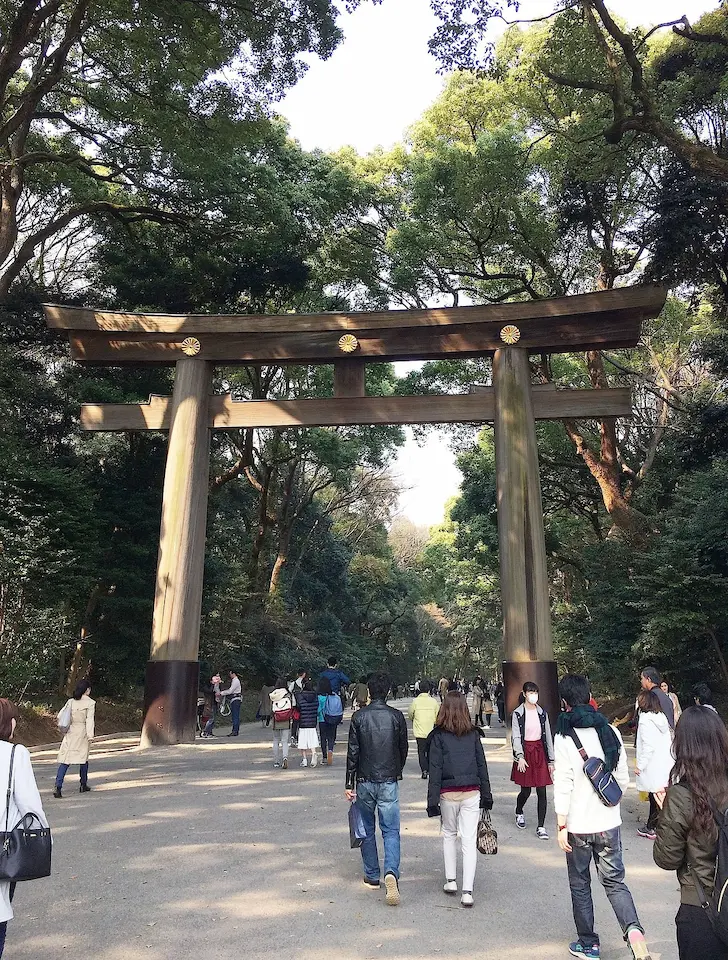
Harajuku also hides quieter pleasures along Omotesando, a tree-lined avenue of cafes and architecture just south which is also well worth exploring if you have some extra time.
Afternoon: Shibuya
Next, walk or hop one stop to Shibuya. The Shibuya Scramble Crossing sends hundreds of people across in every direction at once, and watching it from the Starbucks above is a classic first-timer move. Nearby you will find the Hachiko dog statue, busy shopping streets, and more food than you can reasonably eat.
If you’re on a time crunch, then I recommend this walking tour, which will take you through the main sites of Shibuya, Harajuku and the Meiji Shrine, leaving you time for other activities!
Evening: Shibuya Sky at sunset
Time your day so you reach Shibuya Sky for golden hour. The open-air rooftop deck gives you a 360-degree view across the city, and on clear evenings Mt Fuji glows on the horizon. Slots fill fast, so book a timed Shibuya Sky ticket in advance rather than risk a sold-out evening. After sunset, stay in Shibuya for dinner; the area runs late.
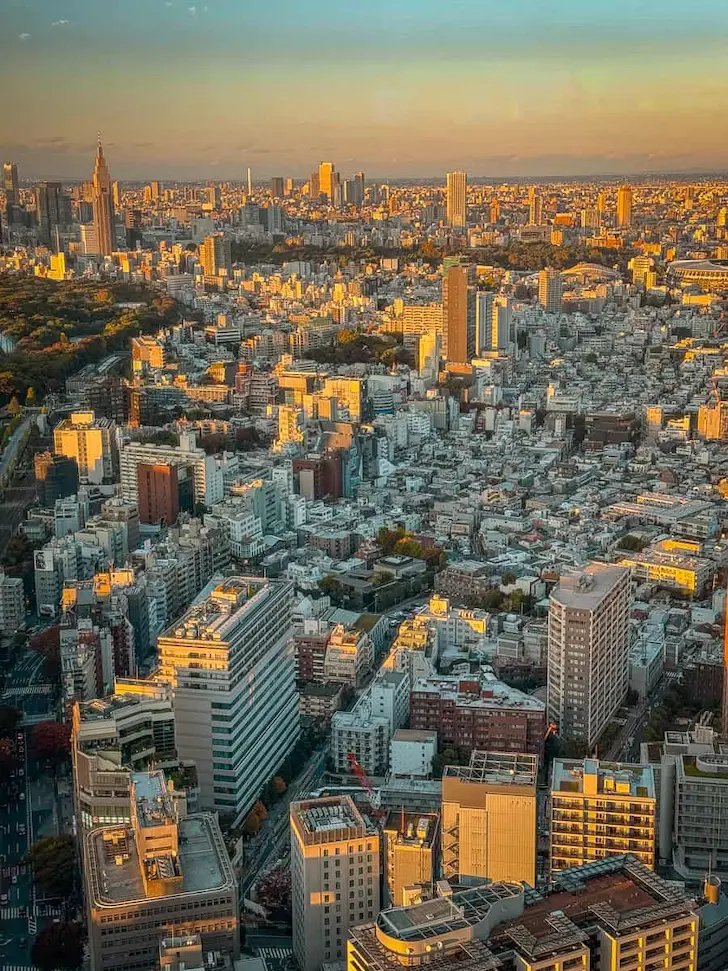
Day 3: Asakusa, old Tokyo, and Akihabara
After two days of modern Tokyo, day three rewinds the clock. You start at the city’s oldest temple, drift along the river, then end the night surrounded by anime and arcades.
Morning: Senso-ji and Nakamise
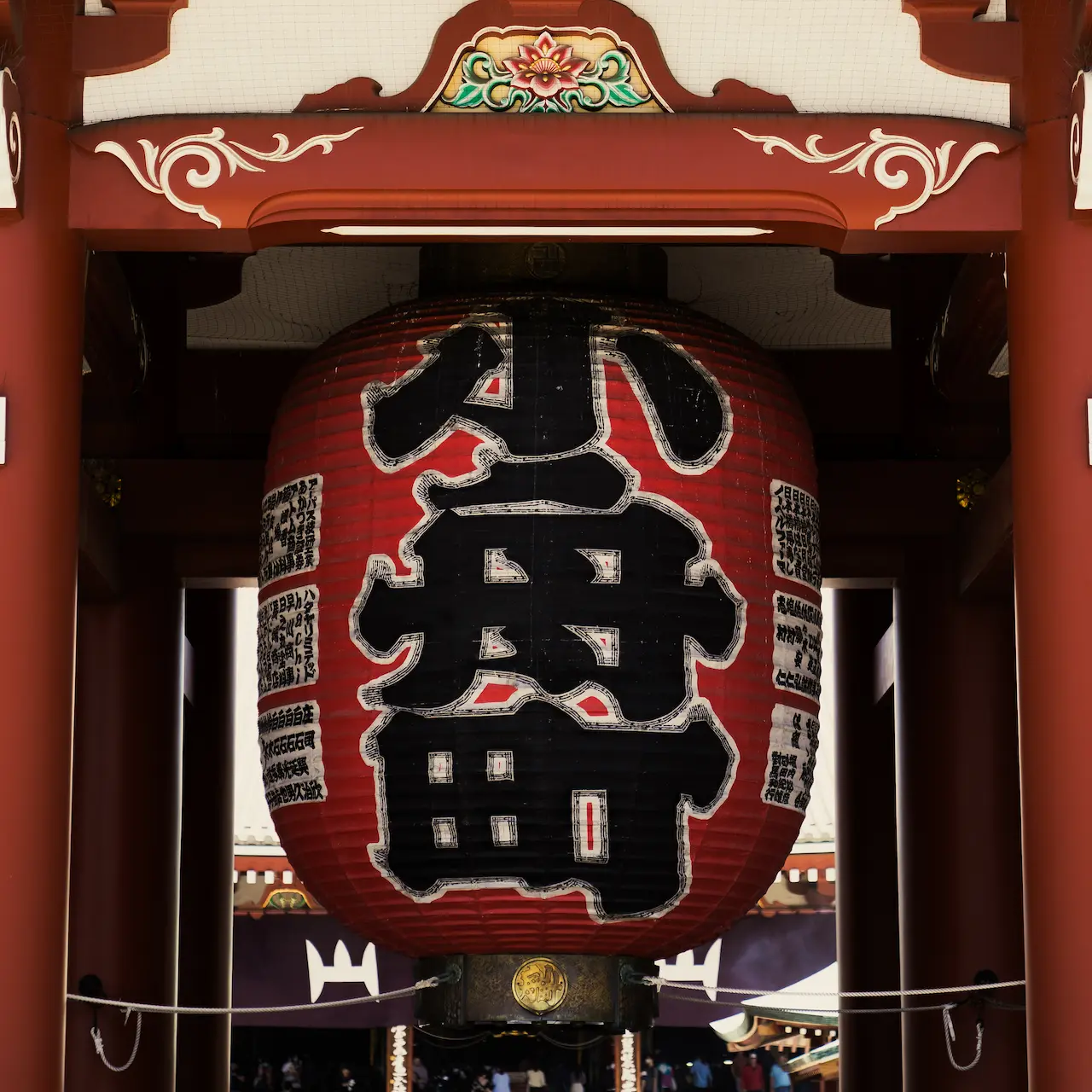
Senso-ji in Asakusa is Tokyo’s oldest temple and an essential first-timer stop. Approach through the giant red Kaminarimon gate, then walk Nakamise-dori, a shopping street lined with stalls selling snacks, fans, and souvenirs. Arrive by 9am if you can, because the lane gets packed by mid-morning.
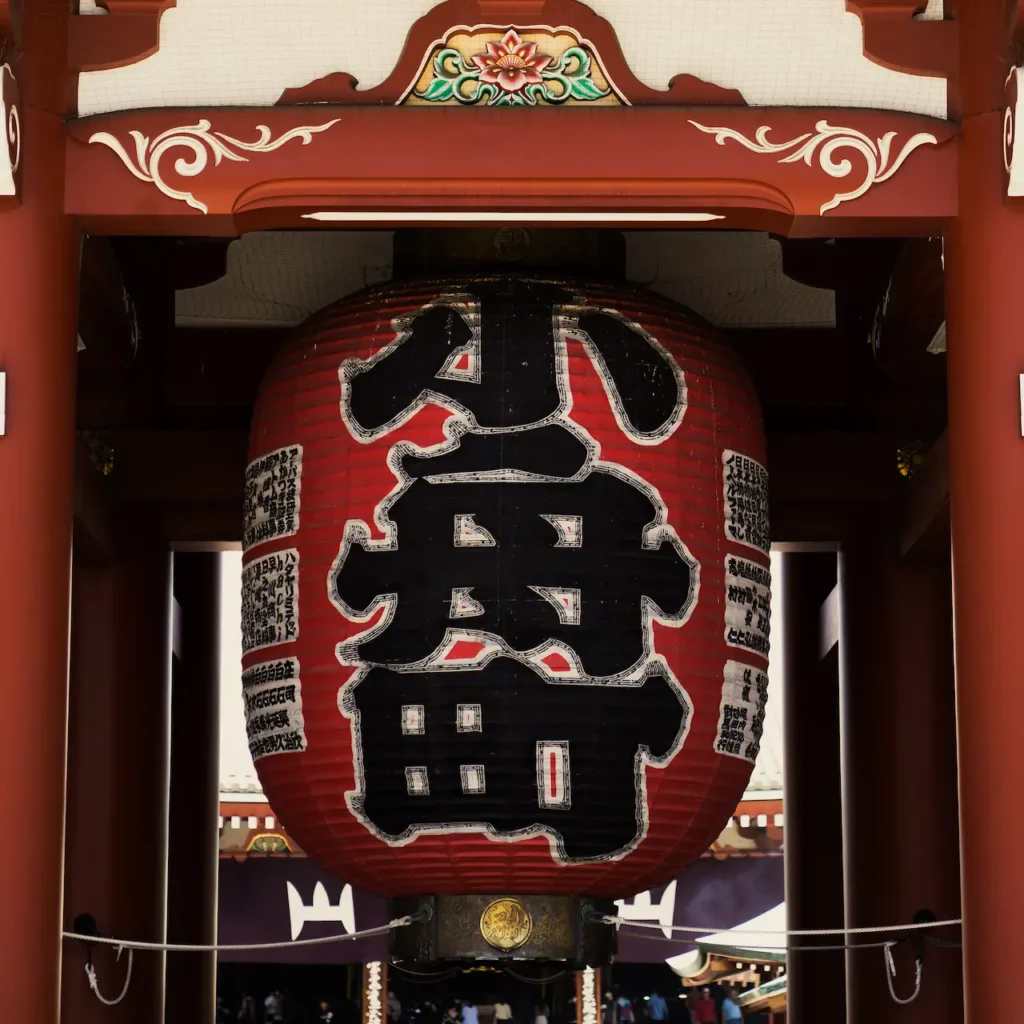
Asakusa is also the best place to slow down and play tourist properly. For a memorable hour, you can book a guided rickshaw ride through old Asakusa, where the driver doubles as a storyteller. Many first-time visitors also rent a kimono for the day and wear it around the temple grounds for photos.
Afternoon: Sumida River and Tokyo Skytree
From the temple, stroll down to the Sumida River and follow it toward Tokyo Skytree, the tallest tower in Japan. The view from the top stretches for miles on a clear day. Lines can be long, so it helps to get a fast-entry Tokyo Skytree ticket before you go. The shopping and food halls at the base are worth a wander even if you skip the deck.
Evening: Akihabara
Finish in Akihabara, the neighborhood built for gaming, anime, and electronics. Multi-floor arcades, retro game shops, and themed cafes light up after dark. Even if anime is not your thing, the sheer sensory overload makes it worth an hour. For dinner, grab ramen at a counter or try a conveyor-belt sushi spot nearby.
Day 4: Tsukiji, Ginza, teamLab, and the bayfront
Day four mixes the best of old and new in a single loop: a market breakfast, upscale Ginza, world-famous digital art, and the bay at night. It is a full day, so pace your coffee.
Morning: Tsukiji Outer Market
The wholesale market moved to Toyosu years ago, but the Tsukiji Outer Market still buzzes with food stalls every morning. Come hungry and graze your way through fresh sushi, grilled scallops, tamago skewers, and strawberry mochi. Cash helps at the smaller stalls, and arriving early beats the crowds.
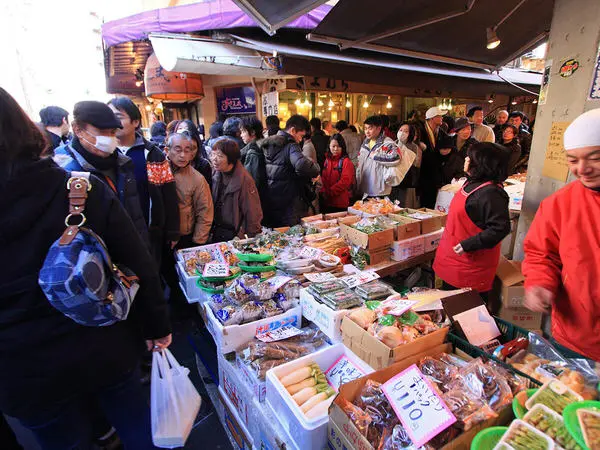
If you would rather learn as you eat, you can join a small-group Tsukiji food tour and let a guide steer you toward the stalls locals actually line up for.
Midday: Ginza
A short walk away, Ginza is Tokyo’s polished shopping district. Even if luxury boutiques are not your budget, the flagship stores are fun to browse, and the basement food halls (depachika) are a foodie wonderland. Stop for a proper sit-down lunch before the afternoon.
Afternoon: teamLab Planets
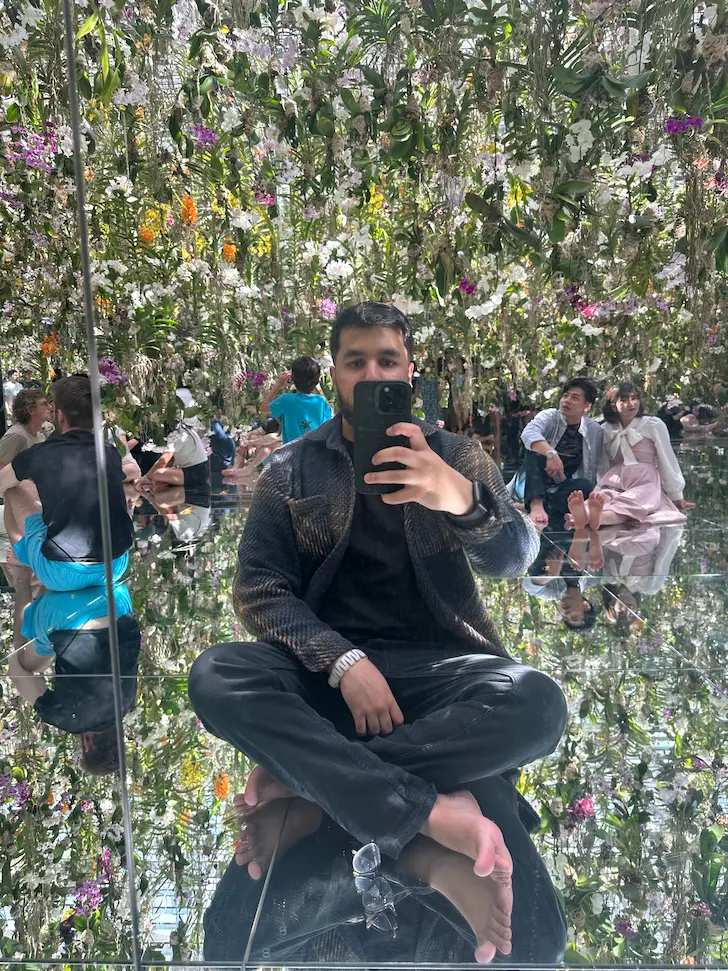
Head out to Toyosu for teamLab Planets, the immersive digital art museum where you wade through water and walk among projected flowers. It expanded in 2026 with new outdoor and forest rooms, so there is even more to see now. Tickets are timed and sell out well ahead, so secure your teamLab Planets tickets early and pick a weekday morning or late slot if you can. Wear shorts or roll up your pants, since part of the route runs through ankle-deep water.
Evening: Odaiba bayfront
End the day in nearby Odaiba, the waterfront entertainment island. You will find shopping malls, a giant Gundam statue, and wide views back across the bay to the Rainbow Bridge. The new Tokyo Aqua Symphony fountain show now lights up the waterfront after sunset, which makes a fitting close to a packed day.
Day 5: Day trip to Mt Fuji and Lake Kawaguchiko
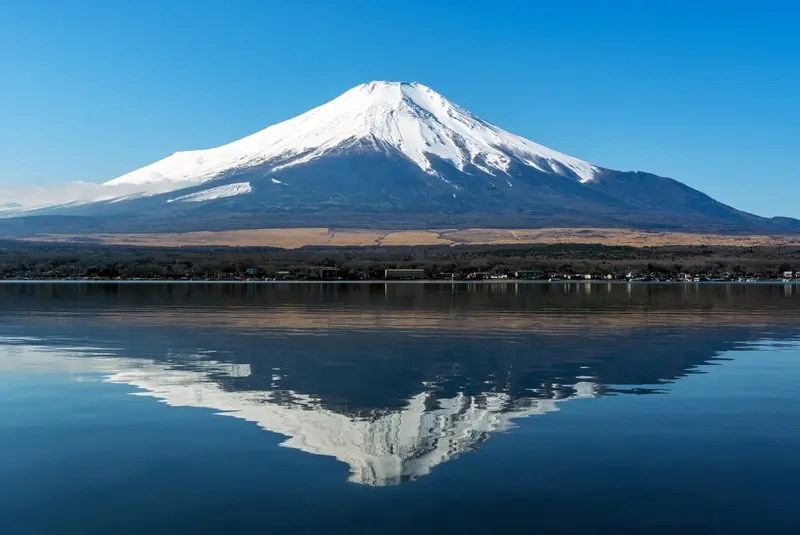
Save the grand finale for last. A day trip out of the city gives you a complete change of scenery, and nothing beats seeing Mt Fuji rise over a lake after days in the urban sprawl.
The easy way: a guided tour
Reaching the Fuji Five Lakes by public transport is doable but fiddly, with several connections and tight timings. For a first visit, a guided tour removes the stress and usually packs in more stops. So if you want the simplest day, book a full-day Mt Fuji and Lake Kawaguchiko tour that handles transport and the best photo spots, including the famous Lawson view of Fuji.
Prefer something different? Three solid swaps
Fuji can hide behind clouds, and that is the one thing no plan controls. Therefore it helps to have alternatives ready. Each of these also makes an easy day trip from Tokyo.
- Hakone: hot springs, a lake cruise, and Fuji views on a clear day. You can also book a guided Hakone day tour to keep it stress-free.
- Kamakura: a coastal town with the Great Buddha and quiet temples, under an hour from the city.
- Nikko: dramatic shrines and waterfalls set in the mountains, ideal if you love history and nature.
Traveling with kids, or simply love a theme park? Swap the day trip for the coast at Maihama instead. With the DisneySea 25th anniversary celebration running through March 2027, plenty of first-timers grab Tokyo DisneySea tickets in advance for their final day.
Where to stay in Tokyo for first timers
Your base shapes the whole trip, so choose one with strong train links. As a quick guide, the three areas below all work well for a first visit.
- Shinjuku: the all-rounder. Huge transport hub, endless food, nightlife, and easy airport access.
- Shibuya: young, central, and walkable to Harajuku, with great late-night options.
- Tokyo Station / Ginza: calmer and upscale, handy for the bullet train and eastern sights.
Wherever you land, book early for spring and fall. To lock in a good rate near a major line, check current Tokyo hotel deals for your dates before prices climb.
Getting around Tokyo
Tokyo’s train and subway network looks terrifying on a map, yet it is clean, punctual, and tourist-friendly once you start using it. Tap in and out with your IC card, follow Google Maps, and watch for the platform exit numbers, which point you to the right street. For late nights, remember that trains stop around midnight, so plan your last ride or budget for a taxi.
Getting from the airport is simple too. From Narita, the Narita Express or a limousine bus reaches central Tokyo, while Haneda sits much closer to the city with quick train and bus links. Either way, your IC card covers most local legs from there.
How much does a 5 day Tokyo trip cost?
Tokyo can flex to almost any budget, which surprises a lot of first-timers who expect it to be wildly expensive. A mid-range trip often lands somewhere around 150 to 250 US dollars per person per day, covering a comfortable hotel, train fares, attractions, and good food. You can go lower with convenience-store meals and budget stays, or far higher with luxury hotels and fine dining.
One heads-up for 2026: Japan is moving to a new tax-refund model from November, and a few attractions have started charging slightly higher prices for international visitors. So check the current rate before you book anything big.
FAQs
Yes, five days covers the major neighborhoods plus one day trip without feeling rushed. You will not see everything, but you will see the highlights and understand how the city fits together.
Shinjuku is the most popular pick for a first visit thanks to its transport links and food. Shibuya and the Tokyo Station area are strong alternatives, especially if you prefer somewhere central or calmer.
Probably not. The nationwide JR Pass only pays off for long bullet-train trips between cities. For a Tokyo-based plan, paying as you go with a Suica or Pasmo card costs less.
Spring and fall offer the nicest weather and the famous blossoms or autumn leaves, though they draw the biggest crowds. Book early for those seasons. Summer is hot and humid, while winter stays cold, clear, and quieter.
From Narita, take the Narita Express train or a limousine bus. Haneda is closer to the center, with fast train and bus connections. After that, your IC card handles local transport.
Final thoughts before you book
That is your full Tokyo itinerary for first timers: four days across the city’s best neighborhoods, plus one big day out to Mt Fuji. Keep the structure, but do not be afraid to slow down. Some of my favorite Tokyo moments came from getting slightly lost down a side street with no plan at all.
Sort your IC card, your data, and your timed tickets ahead of time, then let the rest unfold. Tokyo rewards a little planning and a lot of curiosity. Have an amazing first trip, and let me know how it went!
Check Out My Other Tokyo Japan Guides
5 Day Tokyo Itinerary: Ultimate Guide for First Timers
Is Tokyo Worth Visiting?: My Honest Review
Where to Stay in Tokyo: The Best Hotels and Areas for First Timers
Check Out My Other Japan Guides
2 Week Japan Itinerary: The Perfect Guide for First Time Visitors