The Best Time to Visit Ho Chi Minh City in 2026: a Month-by-Month Guide
Let me save you twenty minutes of scrolling: the best time to visit Ho Chi Minh City is December through March. That’s the dry season, when the humidity drops, the rain mostly stays away, and you can walk District 1 without changing your shirt twice a day.
However, that’s not the whole story. I’d argue the rainy season is underrated, prices swing a lot between months, and Tet (Vietnamese Lunar New Year) can either make or complicate your trip depending on how you plan it. So in this guide, I’ll break down the weather month by month, point out the cheapest windows, and flag the dates worth circling or avoiding.
The short answer
If you only remember one thing, make it this: Ho Chi Minh City has two seasons, not four. The dry season runs from roughly December to April, while the rainy season covers May to November. Temperatures barely move all year, so the real question is rain, not cold.
- December to February: the sweet spot. Dry, relatively cool (by Saigon standards), and busy.
- March to April: still dry, but the heat builds. April is the hottest month of the year.
- May to November: rainy season. Expect short, dramatic afternoon downpours rather than washed-out days, plus lower prices.
Ho Chi Minh City weather, explained
First, set your expectations: this city is hot all year. Daytime highs sit between 88°F and 95°F (31–35°C) in every single month, and nights rarely dip below 73°F (23°C). Because of that, “winter” doesn’t really exist here. What changes is the rain and the humidity.
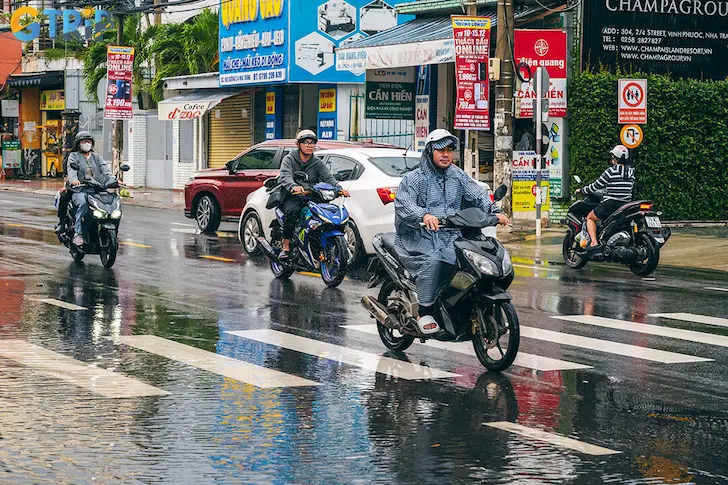
During the dry season, humidity hovers around a manageable 65–70%. In the rainy season, it climbs past 80%, and the air feels heavier even before the first drop falls. The rain itself follows a pattern locals plan their days around: clear mornings, clouds gathering after lunch, then a loud, intense downpour somewhere between 3 p.m. and 6 p.m. Most storms blow through in under an hour. Afterward, the streets steam, the temperature drops a notch, and the city carries on.
In other words, a rainy-season trip doesn’t mean a ruined trip. It means front-loading your sightseeing into the morning and keeping a cafe, museum, or massage on standby for mid-afternoon.
What is the best month to visit Ho Chi Minh City?
For me, the best month to visit Ho Chi Minh City is December. Rainfall is close to zero, humidity hits its annual low, and evenings actually feel pleasant. The city also dresses up for Christmas and New Year, which sounds odd for Vietnam but makes for great people-watching around Nguyen Hue walking street.
January runs a very close second, with nearly identical weather. February is lovely too; however, it usually collides with Tet, which changes the experience entirely (more on that below). If you want December weather without December prices, late November is the quiet overachiever: the rains taper off, hotel rates haven’t peaked yet, and the crowds are thinner.
Month-by-month breakdown
December to February: peak season
This is the postcard window. Days are dry and sunny, and December and January bring the closest thing Saigon gets to “cool” evenings, around 70–73°F (21–23°C). Consequently, this is also when flights and hotels cost the most, especially over Christmas, New Year, and Tet. Book two to three months ahead if you’re set on these dates.
March to April: hot and dry
The rain stays away, but the heat turns up. April regularly tops 95°F (35°C), and the city’s concrete holds onto it well into the night. Even so, these months work fine if you pace yourself: sightsee early, nap or swim at midday, then head back out after 4 p.m. On the plus side, peak-season crowds have thinned and prices ease off.
May to June: the rains arrive
The first storms of the season roll in during May, and honestly, the first week of rain feels like a relief after April. Showers are still relatively brief at this stage. Meanwhile, hotel prices start sliding, which makes May and June good value months for travelers who don’t mind a wet hour each afternoon.
July to September: the wet heart of the rainy season
These are the rainiest months, with September usually taking the crown. Some streets flood briefly after heavy storms, and outdoor day trips need a flexible attitude. Still, mornings are reliably workable, the city is green, and you’ll find the year’s best hotel deals. I’d happily visit in this window; I just wouldn’t build an itinerary that depends on perfect weather.
October to November: the shoulder season sweet spot
Rainfall drops steadily through October and falls off sharply in November. By mid-November, you’re effectively getting early dry-season weather at shoulder-season prices. As a result, this is my pick for value: fewer tourists, cheaper rooms, and only the occasional shower to dodge.
What about Tet? Visit or avoid?
Tet, the Vietnamese Lunar New Year, lands in late January or February depending on the year, and it’s the single biggest event on the calendar. The lead-up is genuinely special: Nguyen Hue turns into a flower street, markets overflow, and the whole city hums with anticipation.
Then the holiday itself arrives, and millions of residents leave to spend it with family. Many restaurants and small businesses close for several days, domestic transport sells out weeks ahead, and prices spike. So here’s my honest take: Tet is worth experiencing once, but only if you book everything early and accept a quieter, partially shuttered city for a few days. If you’d rather have Saigon at full volume, shift your trip a week or two either side.
The cheapest time to visit Ho Chi Minh City
If budget drives the decision, aim for May through September. Flights from the US and Europe routinely drop 20–30% compared with December, and mid-range hotels discount heavily to fill rooms. Add in the rainy-season logic above (dry mornings, one wet hour, cheaper everything) and the math starts looking pretty good. For the best balance of price and weather, though, I’d still point you at late October or November.
Things to do in any month (rain or shine)
Whatever dates you land on, a few experiences work year-round, and a couple of them are actually better suited to certain seasons. These also happen to be the things I’d book ahead rather than arrange on arrival.
Street food is the city’s main event, and evenings are usually dry even in the wet months. For a first night, you can’t beat an evening street food tour by motorbike, riding pillion through districts you’d never find on foot while someone else worries about the traffic.
History buffs should set aside half a day for the tunnels northwest of the city. A guided Cu Chi Tunnels half-day tour handles the 90-minute transfer for you, and morning departures conveniently beat both the heat and the afternoon rain.
If you have a spare day, the Mekong Delta is the classic escape. A small-group Mekong Delta day trip from Ho Chi Minh City gets you onto the river, into the orchards, and back in time for dinner.
Rainy afternoon? That’s exactly when I’d schedule a Vietnamese cooking class. You shop in the morning, cook through the downpour, and eat your homework.
Finally, for a low-effort evening, a Saigon River dinner cruise shows you the skyline from the water, and the boats run in all but the worst weather.

FAQs
No, and this surprises most first-timers. Rainy-season storms usually hit between 3 p.m. and 6 p.m. and pass within an hour. Mornings stay mostly dry, so you can sight-see early and plan something indoors for mid-afternoon.
April is the hottest month, with highs regularly above 95°F (35°C) and very little rain to cool things down. If you visit then, plan your walking for early morning and late afternoon, because the midday heat is genuinely punishing.
Yes, as long as you build in some flexibility. You’ll get dry mornings, the year’s lowest hotel prices, and fewer crowds at the big sights. In exchange, you accept one loud downpour most afternoons and the occasional flooded street after a heavy storm.
Three full days covers the city comfortably: one for District 1 and the museums, one for the Cu Chi Tunnels, and one for markets, food, and Cholon. Add a fourth day if you want a Mekong Delta trip without rushing anything.
Tet follows the lunar calendar, so the date moves each year; the next one falls on February 6, 2027. The week before it is festive and photogenic, but during the holiday itself many businesses close and transport sells out. Either book well ahead or shift your dates.
Not quite, and this trips up a lot of people planning a full Vietnam route. Hanoi sits far to the north and has an actual cool winter, plus a different rain pattern. October to December works well for both cities, which makes it the safest window for a north-to-south trip.
Final verdict
The best time to visit Ho Chi Minh City is December through March if you want guaranteed dry days, and late October through November if you want nearly the same weather for less money. The rainy season deserves more credit than it gets, April deserves a little fear, and Tet deserves a decision rather than an accident.
Personally? I’d book the last week of November and not think twice.
Check out my Other Ho Chi Minh City Vietnam Guides
3 Day Ho Chi Minh City Itinerary: The Complete Guide to Your First Visit
Is Ho Chi Minh City worth Visiting?: My Honest Review
Where to Stay in Ho Chi Minh City: The Best Areas & Hotels
Best Time to Visit Ho Chi Minh City: Month by Month Guide
What To Eat in Ho Chi Minh City: First Timers Guide
How many Days Do You Need in Ho Chi Minh City: My Honest Opinion
Check Out My Other Vietnam Guides
2 Week Vietnam Itinerary: The Ultimate Guide for First Time Visitors
What is the Best Halong Bay Cruise?: Options for All Budgets
The Best Esim For Vietnam: My Review of 3 ESim Providers