Is Hoi An Worth Visiting? My Honest Review in 2026
Is Hoi An worth visiting? I asked myself that a dozen times while planning a trip to central Vietnam, mainly because I didn’t want to spend precious holiday days on somewhere that turned out to be a tourist trap. So this is my honest review after the best part of a week wandering its lantern-lit lanes, eating my way through its markets, and working out exactly how long you actually need.
The short answer: yes, Hoi An is well worth visiting. The UNESCO-listed Ancient Town is one of the most atmospheric places I’ve been in Southeast Asia, the food punches far above its price, and two days is enough to see why people fall for it. The honest caveats: the crowds, the heat and the relentless selling, are all below, along with 1, 2 and 3-day itineraries so you can match the town to your schedule.
So, Is Hoi An Worth Visiting? My Honest Verdict
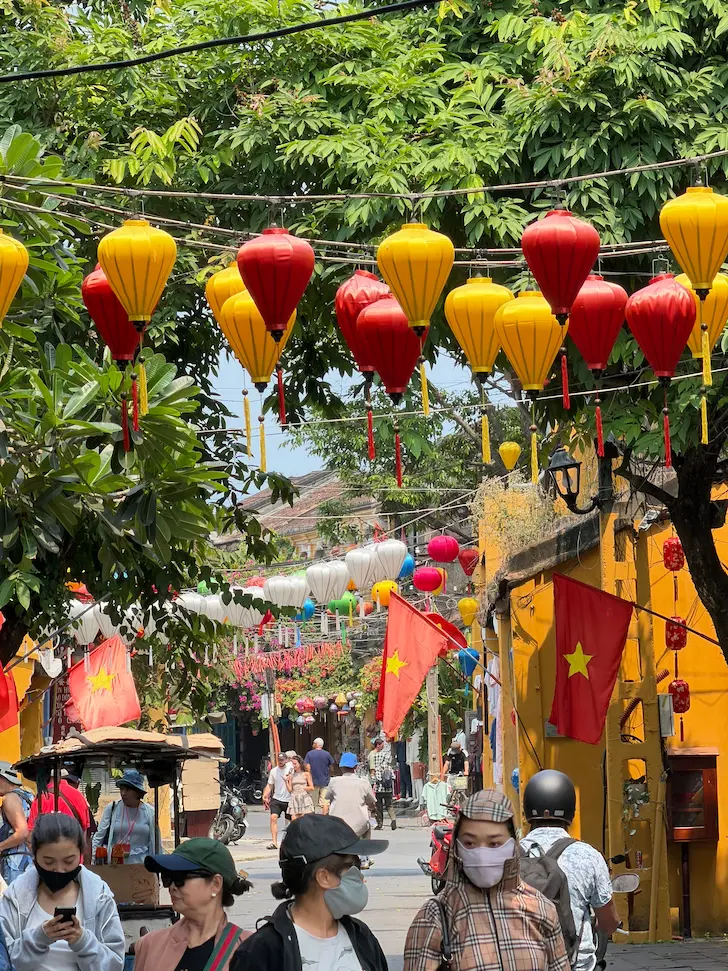
Hoi An was a wealthy trading port from the 15th to the 19th century, and because it quietly fell off the map when the river silted up, almost nothing was knocked down. What’s left is a few hundred metres of mustard-yellow merchant houses, Chinese assembly halls and the famous Japanese Covered Bridge, all packed into a riverside grid that you can walk end to end in fifteen minutes.
That compactness is the whole appeal. There is no traffic to dodge in the old quarter, the lanterns come on at sunset, and you are never far from a bowl of noodles you’ll still be thinking about months later. For a long-haul traveler weighing up whether it earns a place on a tight Vietnam route, my answer is an easy yes – with the caveat that you should know what it is before you go.
What Makes Hoi An Special
The lanterns and the Ancient Town
This is the headline act, and it lives up to it. After dark the streets fill with silk lanterns in every colour, paper boats carrying candles drift down the Thu Bon River, and the whole place glows. If you can time your trip to the monthly full-moon lantern festival, when the town switches off its electric lights, it is genuinely special.
For the full effect, plenty of visitors book an evening lantern boat ride on the river, which gets you out onto the water to float your own candle and is hard to beat for photos.

The food
Central Vietnamese cooking is a highlight of the country, and Hoi An is its showcase. Try cao lầu, a smoky noodle dish you’ll only find here; white rose dumplings; and a banh mi from the bakery Anthony Bourdain made famous. It is cheap, it is fresh, and it is the kind of food that justifies the airfare on its own.
I learned far more on a small-group food walking tour through the back lanes than I would have stumbling about on my own, and it took me to stalls I’d never have found. If you’d rather cook than just eat, a hands-on cooking class is one of the most popular things to do in town.
The tailoring
Hoi An is Vietnam’s custom-clothing capital. You can have a suit, a dress or a pair of shoes made to measure and ready in a day or two, usually for a fraction of what you’d pay at home. Go to a reputable shop, allow time for a second fitting, and bring a photo of exactly what you want.
The beaches and countryside
Ten minutes from the old town you’ve got An Bang Beach, rice paddies, herb gardens and the Bay Mau coconut palms. It stops Hoi An from feeling like a single pretty street and gives you somewhere to slow down.
A relaxed countryside bike tour out to the surroundings is a lovely half-day, and a spin in a traditional basket boat through the coconut forest is touristy but great fun.
The Downsides
- It gets crowded. The Ancient Town is small and very popular, so the central lanes can feel shoulder-to-shoulder in the evenings. Early mornings are your friend.
- The selling is constant. Expect a steady stream of offers for tailoring, boat rides and souvenirs. It’s rarely aggressive, but it never stops.
- The weather has a temper. Summers are hot and humid, and the rainy months can flood the riverside streets. Timing matters more here than in most places.
- It’s compact. The thing that makes Hoi An charming also means you can see the headline sights quickly. This is why I’d steer most people toward two days rather than one.
- There’s no airport. You fly into Da Nang and transfer in by road, which adds time and a little cost to the trip.
How Many Days Do You Need in Hoi An?
This is the question that decides whether Hoi An is worth visiting for you, because the right answer depends entirely on your pace. Here’s how the three common trip lengths actually compare, followed by a day-by-day plan for each.
| Trip length | Best for | What you can realistically fit in | My verdict |
| 1 day | Layovers and Da Nang day-trippers | The Ancient Town, a tailor fitting, lunch, and the lanterns after dark | Doable, but rushed |
| 2 days | Most first-time visitors | Everything above plus a beach morning, a cooking class or a basket-boat ride | The sweet spot |
| 3 days | Slow travellers and culture lovers | All of the above plus My Son, the countryside and time to do nothing | The full experience |
Refer to my full Hoi An itinerary for further detail on how to plan your 1, 2 or 3 day trip.
Where to Stay in Hoi An
Stay within walking distance of the Ancient Town if it’s your first visit. Being able to stroll in for breakfast and back after the lanterns is worth a lot. The riverside and An Hoi areas put you minutes from the action, while the beach side around An Bang trades convenience for calm and sand.
I’d book early for the best rooms, especially in peak season; here are some of my recommendations:
Hoi An Hotel Recommendations:
Budget: Little Hoi An Boutique Hotel & Spa ⭐⭐⭐⭐
Mid-range: Anantara Hoi An Resort ⭐⭐⭐⭐⭐
Luxury: Four Seasons Resort The Nam Hai: ⭐⭐⭐⭐⭐
When Is the Best Time to Visit Hoi An?
February to May is the pick: warm, mostly dry, and not yet brutally humid. June to August is hot and busy. September to December brings the rains, and October and November in particular can flood the low-lying streets by the river. If you want the full-moon lantern festival, check the lunar calendar and plan your dates around it.
How to Get to Hoi An
There’s no airport in Hoi An itself. You’ll fly into Da Nang International Airport, which is the main hub for central Vietnam, with connections through Singapore, Bangkok, Seoul and other regional gateways. You’ll then travel the final 45 minutes by road. Taxis and ride-hailing are available, but after a long-haul flight most people prefer to have a car waiting.
Pre-booking a private airport transfer from Da Nang takes the guesswork out of arrival and is inexpensive when split between a couple or a group.
Is Hoi An Worth Visiting? FAQ
Two days is the sweet spot for most first-time visitors: enough to see the Ancient Town, eat well, and add one experience like a cooking class or beach morning. One day works in a pinch; three days suits slower travellers who want a day trip to My Son.
Yes, you can experience the best of Hoi An in a day if you focus on the late afternoon and evening, when the lanterns come on. You’ll miss the beaches and countryside, but you’ll still get the magic of the Ancient Town.
They’re very different. Hanoi is a big, chaotic capital with energy and history; Hoi An is small, walkable and pretty. If you want atmosphere, food and a relaxed pace, Hoi An wins. Most well-planned Vietnam trips include both.
The central lanes are undeniably busy, especially in the evenings. But it’s easy to escape: visit the old town early, then spend the rest of your time at the beach, in the countryside or on a day trip. The crowds are a trade-off, not a deal-breaker.
No. By the standards of the US, UK, Australia or Canada, Hoi An is excellent value. Meals, tailoring, tours and hotels all cost a fraction of what you’d pay at home, which is a big part of why it’s worth visiting.
Final Verdict: Is Hoi An Worth Visiting?
Yes! Hoi An is absolutely worth visiting, and for most travellers it’s a highlight of Vietnam rather than a box-ticking stop. Go in with clear eyes about the crowds and the weather, give it two days if you can, and let the lanterns, the food and the slower pace do the rest. Plan your dates around the dry season, book the experiences you care about early, and you’ll come away understanding exactly why people rave about this little riverside town.
Ready to start planning? Lock in the tours and experiences that make Hoi An special before they sell out in peak season, and the rest of the trip falls into place.
Check Out my Other Hoi An Guides
Hoi An Itinerary: The Perfect Guide for your visit
Is Hoi An Worth Visiting: My Honest Review
Where to Stay in Hoi An: The Best Areas and Hotels
Best Time To Visit Hoi An: Month by Month Guide
What to Eat in Hoi An: 12 Must Try Dishes
How To Get To Hoi An: Guide to all Transport Options
Check Out My Other Vietnam Guides
2 Week Vietnam Itinerary: The Ultimate Guide for First Time Visitors
What is the Best Halong Bay Cruise?: Options for All Budgets
The Best Esim For Vietnam: My Review of 3 ESim Providers