Where to Stay in Tokyo for First Timers: Best Areas & Hotels (2026 Guide)
Deciding where to stay in Tokyo for the first time is the one choice that shapes your whole trip. Tokyo has no single downtown. Instead, it works like a ring of separate city centers strung along a train loop, and each one feels different. Choose well and you step out of your hotel into the Tokyo you pictured. Choose badly and you lose 90 minutes a day underground, wondering why everyone raves about this city.
I have kept this guide deliberately simple. Five areas work brilliantly for a first visit, so I compare those honestly, recommend specific hotels at each price point, and flag the neighborhoods that look tempting online but rarely earn their price.
The short answer
If you skim nothing else, take this: stay in Shinjuku or Shibuya for energy and effortless transport. Pick the Tokyo Station and Ginza area if you plan day trips or prefer calm evenings. Go with Asakusa for old Tokyo charm at lower prices, or Ueno if you want the cheapest solid base. Any of these five will serve you well, so the rest of this guide simply helps you match one to your travel style.
How to choose where to stay in Tokyo: the Yamanote Line rule
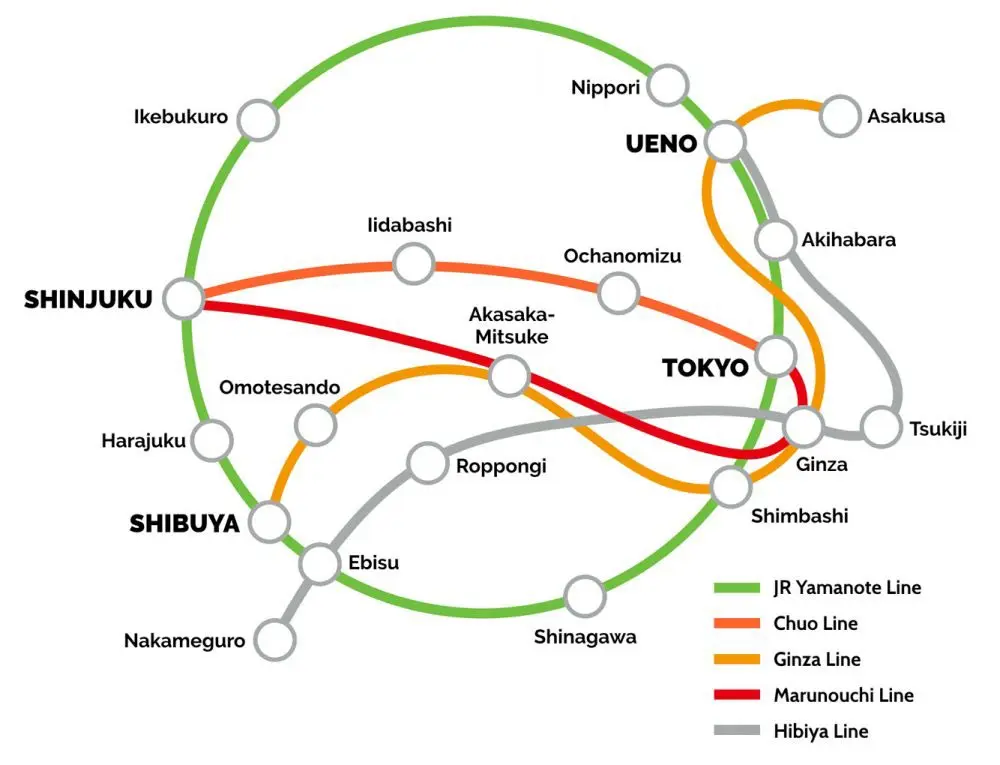
Before comparing neighborhoods, learn one rule. Almost everything a first timer wants sits on or inside the JR Yamanote Line, the loop that circles central Tokyo. Therefore, book a hotel within a five minute walk of a Yamanote station or a major metro interchange. Do that, and nearly every mistake becomes survivable.
Distances deceive people here. Two attractions that look close on a map can sit 40 minutes apart once you factor in station transfers and the walk to the correct platform. Because of this, a mediocre room in the right spot beats a beautiful room in the wrong one every single time.
Shinjuku: the best all-around base
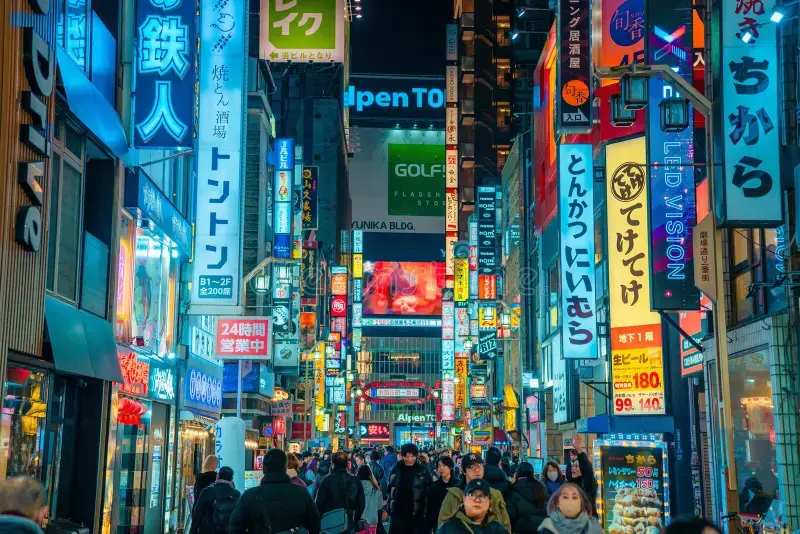
Shinjuku is where I send most first timers, and I stand by it. Shinjuku Station is the busiest rail hub on earth, which sounds stressful but works in your favor: trains run from here to nearly everywhere, including direct airport services. Step outside and you get the neon canyons of Kabukicho, the tiny bars of Golden Gai, smoky yakitori alleys, and the surprisingly peaceful Shinjuku Gyoen garden, all within a 15 minute walk.
One honest caveat. Touts in Kabukicho sometimes approach tourists with offers of cheap drinks. Ignore them, keep walking, and you will be fine. The area stays busy and well watched, and Tokyo remains one of the safest big cities anywhere. Still, light sleepers and families may prefer the quieter west side of the station.
Hotel Gracery Shinjuku ⭐⭐⭐⭐ puts you on top of the famous Godzilla head in the middle of Kabukicho. Rooms are compact but the location is unbeatable for nightlife.
JR Kyushu Hotel Blossom Shinjuku ⭐⭐⭐⭐ sits near the calmer south exit, a smart pick if you want Shinjuku’s convenience without sleeping inside the party.
Keio Plaza Hotel Tokyo ⭐⭐⭐⭐⭐ on the west side offers big rooms by Tokyo standards, airport limousine buses from the lobby, and even Hello Kitty themed rooms for kids.
Shibuya: the most exciting place to stay in Tokyo right now
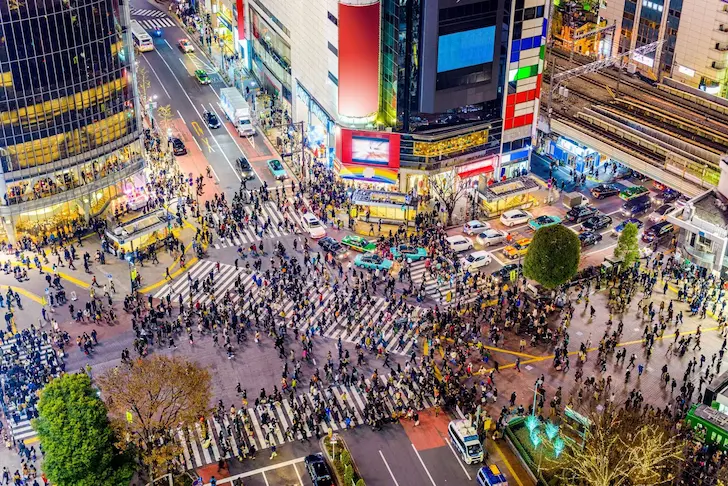
Shibuya is Shinjuku’s younger, more fashionable sibling, and after years of redevelopment it has arguably become the more pleasant base. New complexes like Shibuya Stream, Scramble Square, and Miyashita Park opened a wave of stylish hotels that simply did not exist a few years ago. Additionally, you can walk from here to Harajuku, Meiji Shrine, and Yoyogi Park, which saves you several train rides.
The trade-off is price and crowds. Rooms here cost a little more than comparable ones in Shinjuku, and the station area heaves with people from morning until late. Personally, I think the buzz is the whole point. If you want Tokyo to feel like an event the moment you leave the lobby, stay here.
Shibuya Stream Hotel ⭐⭐⭐⭐ connects directly to Shibuya Station’s exit C2, which matters more than you think when you arrive jet lagged with luggage.
Dormy Inn Premium Shibuya Jingumae ⭐⭐⭐ sits on a quieter street toward Harajuku and has communal onsen-style baths, a lovely thing to come home to after 25,000 steps.
Cerulean Tower Tokyu Hotel ⭐⭐⭐⭐⭐ delivers huge windows with views across the city, and on clear winter mornings you can see Mt. Fuji from the higher floors.
Tokyo Station and Ginza: calm, polished, and perfect for day trips
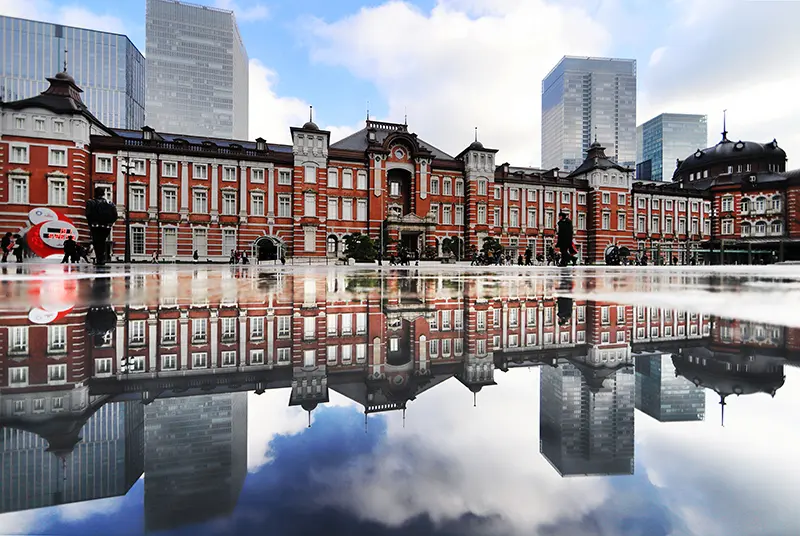
This area suits a specific kind of traveler extremely well: anyone planning day trips, continuing to Kyoto or Osaka, or wanting grown-up calm after busy days. Every shinkansen line departs from Tokyo Station, the Narita Express stops here, and the restored red brick station building anchors the elegant Marunouchi district. Meanwhile, Ginza next door holds the densest cluster of Michelin-starred restaurants on the planet alongside its flagship department stores.
Evenings run quieter here than in Shinjuku or Shibuya. Some people read that as boring. Others, especially couples and older travelers, read it as bliss. You know which one you are.
The Tokyo Station Hotel ⭐⭐⭐⭐⭐ occupies the historic station building itself. It is a splurge, but rolling your suitcase from the shinkansen platform to reception in four minutes feels wonderful.
Muji Hotel Ginza ⭐⭐⭐⭐ applies the brand’s calm, minimalist design to hotel rooms, and it works better than it has any right to.
Daiwa Roynet Hotel Ginza PREMIER ⭐⭐⭐⭐ gives you a practical, spotless base steps from the Ginza shops without the five-star bill.
Asakusa: old Tokyo charm at prices that make sense
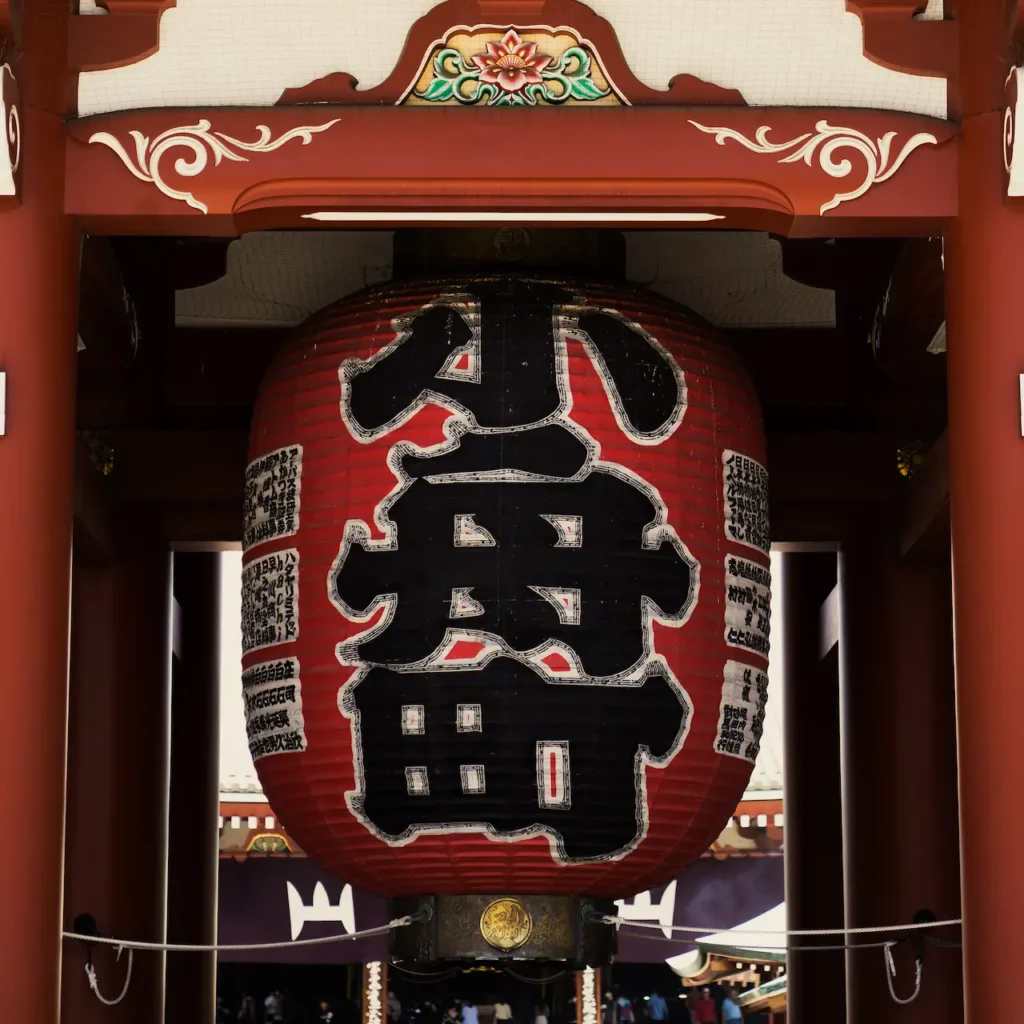
Asakusa answers a different question. Instead of neon, you get the incense and lanterns of Senso-ji, Tokyo’s oldest temple, plus traditional shopping streets, riverside walks, and some of the best-value rooms in the city. Families also tend to love it here because the streets stay calmer and the pace drops noticeably after dinner.
The honest downside is geography. Asakusa sits in the northeast, so reaching Shibuya or Shinjuku takes 30 to 40 minutes by metro. However, you gain something most visitors never see: the temple grounds at 7 am, before the tour groups arrive, with the smell of fresh melonpan drifting from the bakeries.
The Gate Hotel Asakusa Kaminarimon ⭐⭐⭐⭐ has a rooftop terrace looking straight at Senso-ji on one side and Tokyo Skytree on the other.
Richmond Hotel Premier Asakusa International ⭐⭐⭐ faces the entertainment street near the temple and consistently ranks among the best-run hotels in the area.
Mimaru Tokyo Asakusa Station ⭐⭐⭐⭐ gives families separate sleeping areas and a kitchenette, which is rare gold in this city of small rooms.
Ueno: the best budget base for a first trip
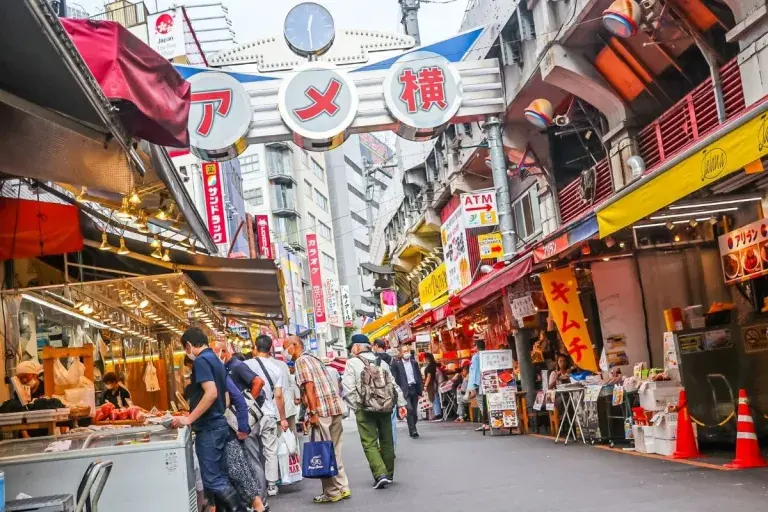
Ueno rarely makes the glossy lists, yet it quietly solves the budget traveler’s whole equation. Rooms cost noticeably less than in Shinjuku or Shibuya at the same quality level. Moreover, the Keisei Skyliner runs directly from Narita Airport to Ueno in 41 minutes, so you skip the exhausted first-day transfer entirely. Add Ueno Park, its museums, the zoo, and the chaotic Ameyoko market, and you have plenty on your doorstep.
Ueno feels functional rather than charming, and evenings run quiet. For many first timers on a budget, that is exactly the trade they want to make.
Nohga Hotel Ueno ⭐⭐⭐⭐ is the stylish outlier here, with locally made furnishings and excellent coffee downstairs.
Hotel Resol Ueno ⭐⭐⭐ sits one minute from the station and does the fundamentals well: clean, quiet, efficient.
Two money-saving notes. First, discounted Skyliner airport tickets are available online before you fly, and buying ahead also lets you skip the ticket machine queue on arrival. Second, eat breakfast at 7-Eleven at least once. I am completely serious, and you will thank me.
Which areas should first timers skip?
A few places look appealing online but work against you on a first visit. Roppongi has great museums and nightlife, but its train connections are weaker and the after-dark scene can feel pushy. Odaiba looks futuristic in photos, yet it sits isolated on the bay, so every outing starts with a long ride. Ikebukuro is perfectly pleasant but offers weaker hotel value than Shibuya or Asakusa at similar prices. Finally, avoid basing yourself near Tokyo Disney unless the parks are the entire point of your trip.
Booking tips for Tokyo in 2026
Tokyo’s tourism boom has not slowed, and hotel prices in 2026 reflect that. For normal dates, book two to three months ahead for the best choice. For cherry blossom season (late March to early April) and autumn foliage (November), stretch that to four to six months, because the good mid-range rooms genuinely disappear.
Room sizes run small, so check the square meters before you book rather than after you arrive. Couples should look for rooms of 18 square meters or more. Families should consider apartment-style hotels like Mimaru, since standard Tokyo rooms often cap at two guests.
FAQ: where to stay in Tokyo for the first time
Shinjuku suits most first timers because of its unmatched transport and variety. Shibuya comes a close second with a younger feel and better walkability to Harajuku. If you prefer quiet evenings or plan several day trips, choose the Tokyo Station and Ginza area instead.
Both work brilliantly, so let your evenings decide. Shinjuku wins on transport links, cheaper rooms, and late-night food. Shibuya wins on newer hotels, shopping, and walking-distance sightseeing. You honestly cannot pick wrong between them.
Plan at least four nights, and ideally five or six. Tokyo’s districts each swallow a full day, and jet lag will steal part of your first one. With a week, you can cover the main neighborhoods and still fit in a Mt. Fuji or Kamakura day trip.
Asakusa and Ueno top my list for families thanks to calmer streets, parks, museums, and better value on larger rooms. The west side of Shinjuku also works well because the airport limousine buses stop directly at several big hotels there.
Final word
Pick your area first, then your hotel, and stay within five minutes of a Yamanote or major metro station. Shinjuku or Shibuya for energy, Tokyo Station and Ginza for calm and day trips, Asakusa for tradition, Ueno for value. Book two to three months out, reserve your big-ticket activities at the same time, and the rest of the trip largely takes care of itself.
Check Out My Other Tokyo Japan Guides
5 Day Tokyo Itinerary: Ultimate Guide for First Timers
Is Tokyo Worth Visiting?: My Honest Review
Where to Stay in Tokyo: The Best Hotels and Areas for First Timers
Check Out My Other Japan Guides
2 Week Japan Itinerary: The Perfect Guide for First Time Visitors